Crypto poker market analysis — Q1 2026
Traffic, rakeback economics, and the segment's trajectory
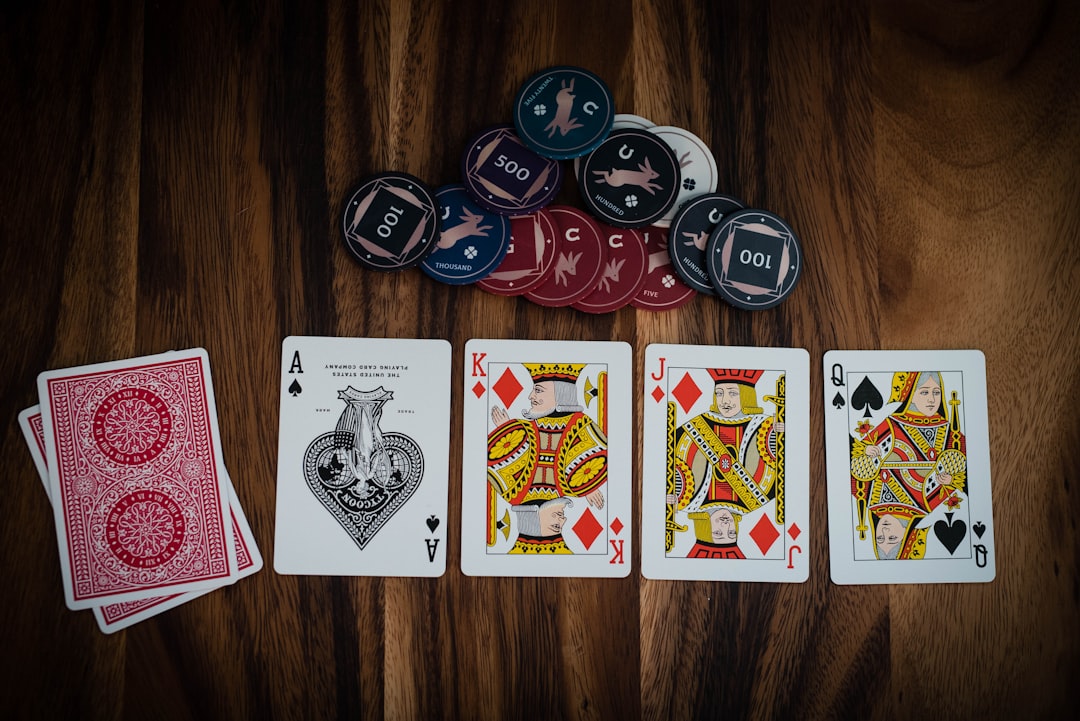
The crypto poker segment in early 2026 is a small but rapidly growing portion of the global online poker market. The segment's defining characteristic — cryptocurrency-denominated tables rather than fiat-denominated tables funded by crypto — separates it from the much larger set of traditional rooms (GGPoker, ACR, PokerStars) that accept crypto deposits but operate USD-denominated cash games.
Q1 2026 cash-game concurrency, averaged across the quarter:
CoinPoker: ~800 concurrent cash players, ~3,500 peak during the Q1 CSOP series. Growth of approximately 25% year-on-year in average concurrency.
BCPoker: ~600 concurrent cash players, ~2,200 peak during BC.Game-wide promotional events. Growth of approximately 40% year-on-year, driven primarily by BC.Game's broader product expansion rather than poker-specific marketing.
SwC Poker: ~200 concurrent cash players, ~800 peak during monthly mBTC tournament series. Approximately flat year-on-year. The Bitcoin-purist niche is structurally bounded.
Combined Q1 2026 crypto-native cash concurrency: approximately 1,600. For comparison, GGNetwork's combined cash concurrency averages ~50,000 — about 30× larger.
Rakeback economics
The crypto-native segment's rakeback structures vary significantly and shape player selection within the segment.
CoinPoker offers a flat 33% weekly rakeback paid in CHP token, swappable to USDT. The predictable, non-tiered structure appeals to high-volume players who value stable expected rakeback. Effective rake at NL100-equivalent (USDT 1/2) lands around 3.4 bb/100 — competitive with major traditional rooms.
BCPoker offers approximately 20% direct poker rakeback at base tier, scaling to 45% at the highest BC.Game-wide VIP tier (which requires significant wagering across casino and sportsbook products). Pure poker players see the lower end; active BC.Game ecosystem users see the higher end. Effective rake at NL100-equivalent lands around 4.0 bb/100 for poker-only players, somewhat lower for ecosystem users.
SwC Poker offers approximately 10-20% effective rakeback through a loyalty-points-style rebate system. Effective rake is around 4.0 bb/100 at typical play volumes. The room compensates for the lower rakeback ceiling with the unique Bitcoin-denominated proposition.
For pure rakeback optimization, CoinPoker is the segment leader. The 33% flat structure beats BCPoker's effective rakeback for poker-only players and significantly beats SwC's tiered structure.
Banking and KYC posture
The Q1 2026 KYC landscape across the segment:
CoinPoker maintains optional KYC for cumulative withdrawals under approximately USDT 5,000 per account. The threshold has remained stable since 2024. Above the threshold, KYC documents (passport, address verification) are required. Withdrawal speed for crypto cashouts averages 1-2 hours.
BCPoker mirrors BC.Game's broader KYC posture. No upfront KYC for low-volume play; KYC triggers around $5,000 cumulative withdrawal threshold. The threshold has tightened slightly since 2023 as BC.Game's compliance obligations have grown. Withdrawal speed averages under 2 hours.
SwC Poker offers the longest no-KYC threshold at the lowest verifiable enforcement rate. Cumulative withdrawal threshold has historically been around 5 BTC equivalent — significantly higher than CoinPoker or BCPoker in dollar-equivalent terms — though the figure shifts and is not formally published. Withdrawal speed averages under 1 hour for typical amounts.
The Curaçao licensing reform process (in progress since 2023) has put pressure on no-KYC postures across the segment. The trajectory has been toward tighter thresholds, not looser. Players planning to engage the no-KYC posture should expect continued tightening over the medium term.
Player pool composition
The segment's player pools differ from traditional rooms in composition:
CoinPoker's pool is notably crypto-trading and DeFi adjacent. A substantial fraction of CoinPoker players came to poker through cryptocurrency interest rather than through classical poker training. The result is genuine softness at low-to-mid stakes — the typical CoinPoker NL100 opponent has less GTO-informed strategy than the typical PokerStars or GGPoker NL100 opponent.
BCPoker's pool crosses over from BC.Game's casino and sportsbook products. The poker-specific player base is smaller and even less specialized than CoinPoker's. Recreational softness is similar; tournament-specific volume is thinner.
SwC Poker's pool is Bitcoin-purist with significant long-tenured player presence. Many SwC players have multi-year operational histories at the room. The skill distribution is bimodal — long-tenured strong players plus rotating recreational accounts.
For win-rate-focused players, the crypto-native segment offers genuinely soft games at low-mid stakes. The trade-off is smaller player pools that constrain high-stakes action and tournament series scale.
Tournament series volume
The segment's tournament series volume is much smaller than at traditional rooms:
CoinPoker CSOP (CoinPoker Series of Poker) runs quarterly with approximately $250K-$500K combined guarantees per series. The Q1 2026 CSOP exceeded $400K in combined guarantees across 30+ events.
BCPoker runs sporadic tournaments tied to BC.Game-wide promotional pushes. Combined Q1 2026 tournament guarantees approximated $80K.
SwC Poker runs monthly mBTC-denominated tournaments with approximately 0.5-1.0 BTC combined guarantees per month (currently $20K-$60K equivalent depending on BTC price).
For comparison, GGPoker's WSOP Online runs approximately $100M+ in annual guarantees across the full series. PokerStars's combined WCOOP + SCOOP exceeds $300M annually. The crypto-native segment is several orders of magnitude smaller in tournament series volume.
Players focused on tournament series should not choose the crypto-native segment as primary. The segment serves cash-game-focused players better.
Differentiation from traditional rooms accepting crypto
The crypto-native segment's structural differentiation from GGPoker, ACR, and PokerStars (all of which accept crypto deposits in various jurisdictions) consists of:
1. Native cryptocurrency-denominated tables. Traditional rooms convert crypto deposits to USD chips at the cashier. Crypto-native rooms run the tables themselves in USDT, BTC, or ETH.
2. Optional KYC for low-volume play. Traditional rooms require KYC before first withdrawal. Crypto-native rooms permit cumulative thresholds before KYC requirements apply.
3. Smaller player pools. Traditional rooms have order-of-magnitude larger pools. The trade-off favors the larger pool for players prioritizing depth.
4. Different player-pool composition. Crypto-native pools draw from crypto-trading communities; traditional pools draw from classical poker backgrounds.
5. Different regulatory recourse profiles. Both segments operate under Curaçao licensing (CoinPoker, BCPoker, ACR via WPN); SwC operates under Costa Rica. Practical recourse paths are similar.
For player choice, the structural differentiation matters when the player's preferences specifically value cryptocurrency-denominated tables (no conversion friction, no USD-volatility exposure on bankroll) or the optional-KYC posture for recreational play.
Q1 2026 segment health indicators
The segment's operational health through Q1 2026:
CoinPoker: No notable security incidents, payout disputes, or community-organized boycotts. Continuous operation track record extends to 9+ years. Operational reputation among players is positive.
BCPoker: No notable poker-specific incidents. BC.Game's broader product has had occasional customer-service complaints (consistent with broader crypto casino industry patterns) but the poker product specifically has not been a focus of complaints.
SwC Poker: No notable incidents. The room's 13-year continuous operation history is the segment's longest. Operational reputation is strong despite the smaller player base.
Forward outlook
The crypto-native segment's trajectory through 2026 and into 2027 depends on three factors:
Continued growth in cryptocurrency-native player base. As cryptocurrency adoption expands beyond trading communities, the addressable market for crypto-native poker grows.
Curaçao licensing reform impact. Tighter KYC and AML requirements may pressure margins at smaller crypto-native rooms. CoinPoker's scale and track record provide some buffer; BCPoker benefits from BC.Game's broader compliance investments. Smaller crypto-native rooms (which we have not covered in this segment analysis) face higher operational risk.
Traditional room competitive response. GGPoker and ACR have not actively marketed themselves as crypto-native despite accepting crypto deposits. If a major traditional room launches a USDT-native cash-game product, the competitive landscape would shift substantially.
For Q2 2026 and beyond, the crypto-native segment is likely to continue measured growth at the current pattern. The segment is unlikely to dramatically displace traditional rooms in absolute volume; it is likely to continue carving out a specific player segment that values cryptocurrency-denominated architecture.
About the author
WeeBet's poker editorial team covers online poker rooms, tournament series, ClubGG ecosystem developments, and crypto poker platforms.
Related analyses
WeeBet Weekly
The week's biggest market move, in 4 minutes.
Every Friday: the top Polymarket and Kalshi price shift, one regulatory story that actually matters, and one chart. No fluff, no promo. Free.
Free. Unsubscribe in one click. We'll never sell your email.